
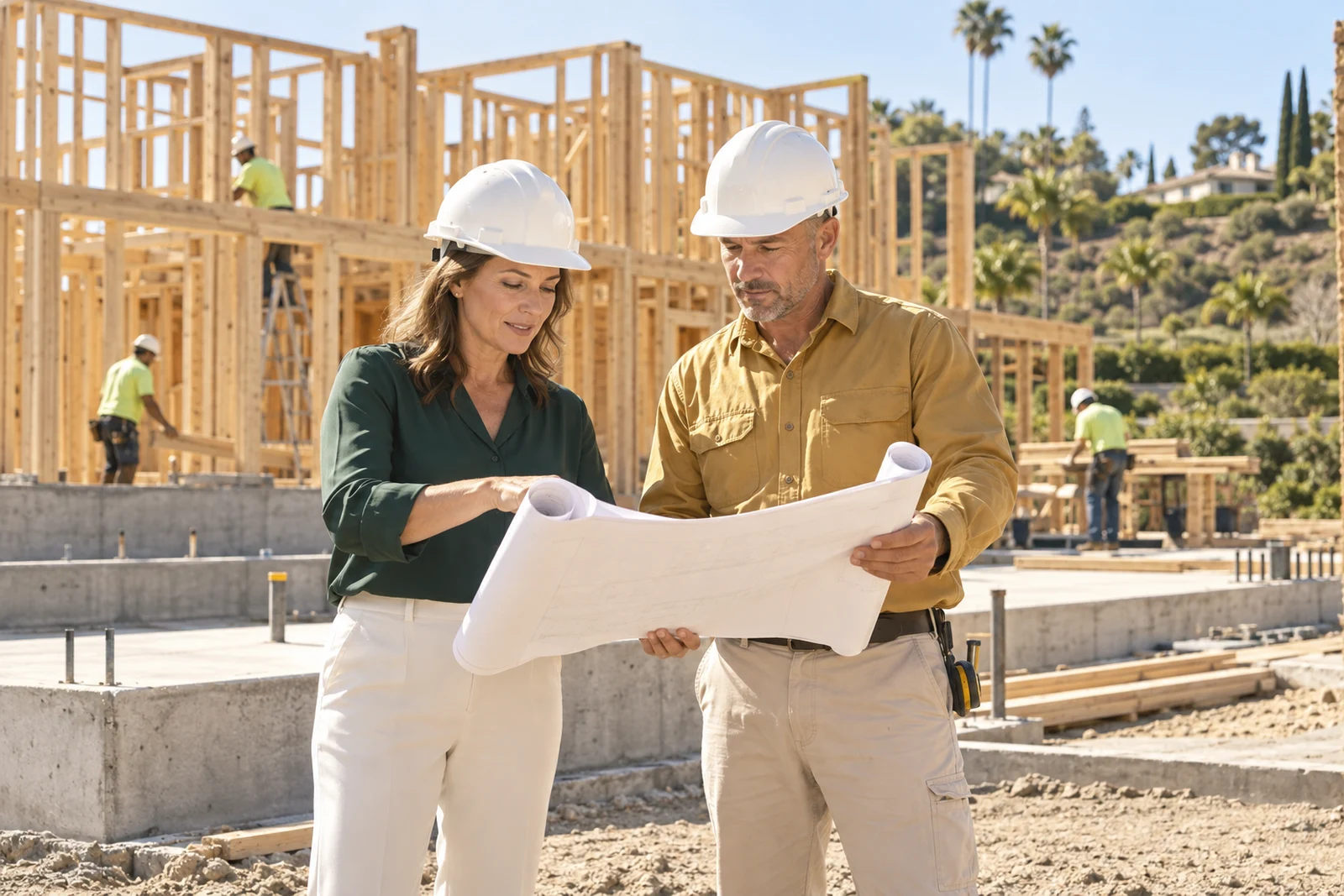
What is a ground-up construction loan?
Ground-up construction financing supports the building of a new investment property. Unlike buying a finished rental, the lender reviews a project that still needs to be completed. The site, plans, permits, builder, spending plan, and expected completed value all help shape the financing. This is an investor conversation; if you are building a home to live in, explore our custom home construction options.
Build to sell or build to rent
Your plan for the completed home matters from the start. A build-to-sell project needs a realistic sales plan and time to market the property. A build-to-rent project needs an operating spending plan and a plan for longer-term financing. Potential DSCR rental financing can be reviewed early, but the completed property and borrower still need to meet that loan's requirements.
How construction funds are released
Construction financing typically uses a draw process. Funds are released as agreed stages of the project are completed and reviewed, rather than handing you the entire construction spending plan at once. Understand inspection requirements, the draw schedule, what you must pay upfront, and the time needed to release each payment. Your contractor's schedule and cash needs should work with that process.
What we will review together
Bring the property address or parcel information, land ownership or purchase details, plans, permit status, contractor information, and a detailed spending plan. We will also discuss your construction experience, funds available for the project, contingency money, and projected timeline. Loan structure and available financing depend on the project and current program requirements.
Plan for the whole project
A useful spending plan includes more than materials and labor. Consider site preparation, professional fees, permits, insurance, property taxes, interest during construction, and room for surprises. Compare the loan's maturity date with the construction and sale or refinance timeline. A strong financing plan accounts for what happens if completion or lease-up takes longer than expected.
Building a home to sell? The spec builder page brings the land, scope, timeline, and exit questions together. For a home you intend to live in, use the custom construction hub instead.
Use the construction financing planning checklist to prepare questions about draws, inspections, costs, timing, and the exit plan.
Your next step
Bring the property address, your intended use, any current financing, and your spending plan. We will talk through your goal, compare the relevant options, and identify the documents needed for a closer review. The aim is a financing plan you understand and can put to work.
Frequently asked questions
Is this the same as a fix-and-flip loan?
No. Ground-up construction creates a new property. A fix-and-flip loan generally finances the purchase and renovation of an existing property. The project review and funding requirements differ.
Can I use land I already own?
That may be an option. We will review its ownership, value, existing liens, and how it fits the proposed construction spending plan.
Do I need a contractor and permits?
Expect a review of the builder, plans, and permits or approvals required for your project. Identify those requirements before setting a closing or construction date.
Does the construction loan automatically become a rental loan?
Not necessarily. Review whether your financing has a conversion feature or needs a separate refinance. A future loan has its own qualification requirements.
Explore the Investor Guides or return to the Investor Loan library. Program availability, documentation, and terms vary by lender and transaction; I will confirm the requirements for your property.