Roseville, CA · NMLS 281056 · Licensed CA, TN, TX (916) 705-2557 adebusk@loandepot.com

Custom Home Construction Loans

More room to breathe. A home built around you.

A little more land. More space between neighbors. A porch for quiet mornings and a floor plan that fits the way you live. Your custom home doesn't have to be a mansion to be exactly what you've been looking for.

I'll help you plan the financing from the land you choose to the home you move into, with one-time-close construction options and a separate jumbo construction-to-permanent path.

Complimentary 30-minute discovery call

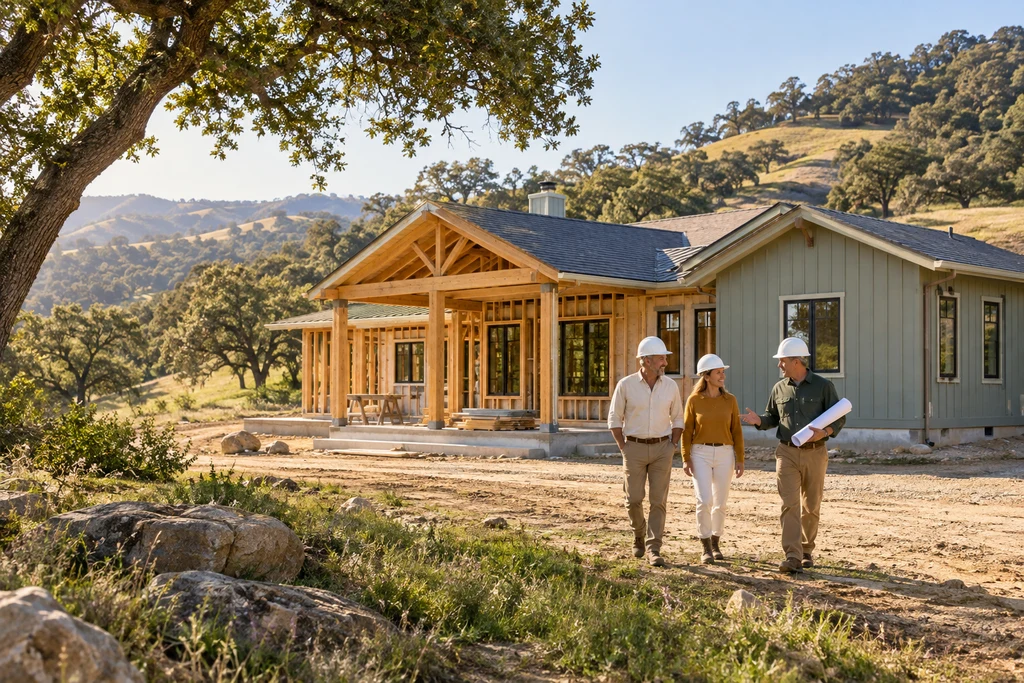
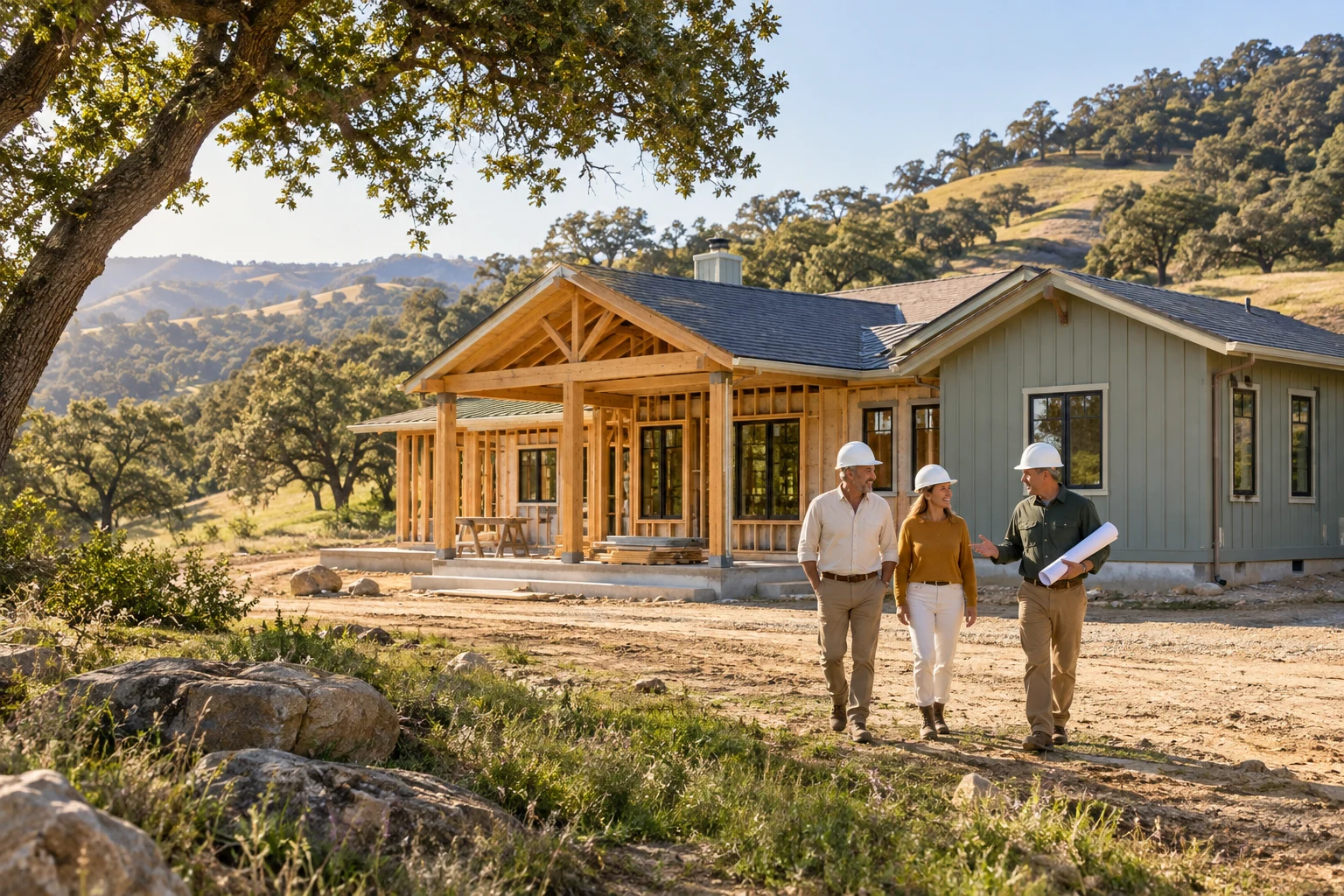
A couple and their contractor walking a spacious foothill property beside a modest custom home under construction

Your land. Your layout. Your way of living.

Sometimes the right home is the one you create.

You may have toured plenty of homes and still not found the combination you want: a manageable house on a bigger parcel, a single-story layout, room for family, or a little distance from the neighbors. Building gives you the opportunity to choose the spaces that matter and leave out the ones you don't need.

Before you commit to the land or the build, let’s talk.

I can help you separate the land purchase from the construction financing questions and identify what needs to be ready with your plans, permits and builder. That gives you a financing conversation to have alongside the project planning.

Amy DeBusk | Branch Manager & Mortgage Advisor
Amy DeBusk Home Loans, powered by loanDepot

The first step is understanding what the land and your spending plan can support. I'll help you look at the whole project, including the lot, site preparation, utilities, plans, permits, builder, and where you'll live during construction. That way, you can start with a practical path toward the home you've pictured.

Give the planning time to work

Land first. Plans and permits next. Construction financing when you're ready.

For many California custom builds, owning the land first works best. It gives you time to design for that specific site and work through approvals before the construction loan's building period begins. I recommend talking with me before you buy the parcel so we can review the likely financing path and the questions your builder and local agencies need to answer.

Bring me into the conversation alongside your builder early. I evaluate the financing path while your builder and local professionals assess the site, design, and approvals. My team can help coordinate the information the lender needs as the project becomes ready.

Before committing to a parcel, review buildability, access, utilities or well and septic needs, insurance, permits, site work, and the total project cost with the appropriate professionals. Leave room for a contingency and the cost of living elsewhere while you build. The land and the proposed home both need to fit the financing.

1. Review the site, then purchase the land.

Confirm that the parcel can support the home you want. Review zoning, legal access, setbacks, soils, slope, utility connections, water supply, septic or sewer, and any easements or restrictions. Get early estimates for site work and insurance availability. A beautiful view is even better when you understand what it will take to build there.

Plan separately for the land purchase and pre-construction expenses. If there is a land loan, we'll review its payoff and how it fits with construction financing. Owning land can provide eligible equity toward the project, but the amount credited depends on the loan, valuation, and documentation.

2. Develop the plans and apply for permits.

Work with your designer and licensed contractor on plans, specifications, a site plan, and a detailed fixed-price construction contract. Allow time for revisions, engineering, agency reviews, and any additional site approvals.

For California planning, allow roughly 6 to 9 months for permitting, with some projects taking less time and others longer. This is a planning allowance, not a statewide permit deadline. Your local building department and project team should confirm the schedule for your parcel.

3. Line up the construction loan close to groundbreaking.

Start our financing conversation early, then plan the active construction-loan process around the 60 days before your expected groundbreaking. We will confirm the application, approval, closing, and start dates for the selected loan. This is not a reason to wait until the last minute to discuss qualifications.

Before funding and construction begin, the lender needs the required permits, approved builder, contract, plans, appraisal, and borrower documentation. The construction loan is for a project that is ready to move forward, rather than a long period of waiting for plans and permits.

Can land be purchased at the construction closing? Some one-time-close structures allow it when the project is ready and the transaction meets program requirements. Owning land first is a practical planning approach, not a universal eligibility rule. We'll compare both possibilities before you decide.

Four one-time-close choices

One closing for construction and your long-term home loan.

A one-time-close loan brings the construction financing and permanent mortgage together at the beginning. Funds are released as approved work is completed. After the home is finished, the loan moves into its permanent phase when the completion requirements are met.

Conventional loans use conforming and eligible high-cost limits; FHA uses its own county limits. VA and USDA follow their own requirements. These are distinct choices, rather than four versions of the same loan.

The financing levels below are starting points for a discussion. Final terms depend on current product availability, your qualifications, the property, and the approved project value. Financing percentages do not mean all project expenses or closing costs are covered.

Conventional one-time-close construction loans

A conventional one-time-close loan may suit you if you want to build within conforming or eligible high-cost loan limits. The option outlined for this program allows up to 90% loan-to-value for qualifying transactions, with primary residences and eligible second homes considered.

Eligible site-built, modular, and manufactured homes can be reviewed, with different requirements depending on the construction type. Your lot equity may contribute toward the required investment when the program allows it; a 90% financing limit is not automatically a promise that you only need 10% cash for the entire project.

During construction, this structure calls for monthly interest-only payments. At completion, modification into the permanent phase is required. Requalification may be needed if the final value declines or the build runs beyond the allowed term. We'll confirm the completion and conversion conditions before closing.

This option may offer more flexibility for eligible pools or outbuildings than the government-backed options, subject to appraisal support and current requirements. Learn about conventional mortgages.

FHA one-time-close construction loans

FHA one-time-close financing may provide a lower-down-payment path to an eligible new primary home. The program outlined allows up to 96.5% loan-to-value, subject to the applicable FHA county loan limit and the full transaction requirements.

FHA mortgage insurance is part of the financing. Eligible lot equity may help meet the required investment, depending on ownership history and documentation. The property, builder, plans, and completed value must meet the program's standards.

This structure provides for construction interest to be financed within the approved loan and requires a completion modification. Financed interest is still a cost you repay. Ask me to show you the funds needed before construction, costs during the build, and the expected payment after completion.

This is a new-construction option. For an existing home that needs improvements, see FHA 203(k) renovation financing. For mortgage basics, visit FHA home loans.

VA one-time-close construction loans

If you are an eligible Veteran or service member, your VA benefit may help you build your primary home. Qualifying transactions may allow up to 100% financing, subject to entitlement, value, loan amount, and program approval. No down payment does not mean there are no closing or construction-related costs.

We will review your Certificate of Eligibility, entitlement, income, credit, project, and contractor. VA loans do not have monthly mortgage insurance; a VA funding fee may apply unless you qualify for an exemption.

The outlined construction option provides for construction interest within the approved financing and a modification at completion. VA construction may include eligible higher loan amounts under separate VA jumbo requirements. That is different from the non-VA jumbo construction path below.

Your builder and home need to meet VA and lender requirements. Explore your VA home loan benefit.

USDA one-time-close construction loans

For an eligible rural location and a household within USDA income limits, a USDA single-close loan may help you build a primary home with up to 100% financing. Both your household and the property must qualify. USDA guarantee fees and other transaction costs still need to be included in the plan.

This can be worth exploring when you want more space outside a densely built neighborhood. A rural setting alone does not make a property eligible, and acreage is not a substitute for checking the address, use, access, utilities, and appraisal.

The outlined USDA structure begins scheduled mortgage payments after closing, including during construction. An eligible payment reserve may be available if supported by the appraisal and approved structure; it is not automatic. We'll also plan for the cost of your current housing while the home is being built.

This is residential financing, not a loan to operate an income-producing farm. Tell me how you intend to use the land. Explore USDA loan basics.

A separate financing path

Jumbo construction-to-permanent financing

A custom home does not need to be oversized to require jumbo financing. Land prices, site preparation, and construction costs may put the total loan need above the applicable conforming limit. I also offer a separate jumbo construction-to-permanent path for qualifying projects.

Construction-to-permanent describes the journey from financing the build to financing the completed home. It does not, by itself, tell you how many closings there are. The jumbo option needs its own review; we will not apply the conventional, FHA, VA, or USDA one-time-close terms above to it.

I'll confirm the required down payment or land equity, reserves, construction payments, loan term, and how the permanent mortgage is arranged. We will also clarify whether there is a separate closing or requalification, how the permanent rate is set, and which costs apply at conversion or payoff.

The goal is a plan for the whole project, including its long-term payment, before construction starts. Learn about jumbo home loans.

How the money reaches your builder

Construction funds are generally released through draws for completed work, with inspections and documentation before payment. Your builder needs to be comfortable with the approved draw schedule and any holdback retained until completion.

The one-time-close options outlined use a 12-month construction period. The exact start date, available extensions, draw count, and completion requirements need to be confirmed for your loan. Plans, specifications, site plan, cost breakdown, and a fixed-price contract are part of the review.

Use a licensed, insured contractor who can be approved by the lender. These options are not a DIY or owner-builder route. Discuss change orders before agreeing to them: an upgrade or overrun does not automatically increase the loan amount.

We'll also review land-value or acreage limits, residential use, water and utility requirements, and whether an ADU, detached structure, or pool is eligible. A larger parcel can be a wonderful fit for your life, but each site and project needs its own review.

Is building the right next step for you?

What building can make possible

  • A layout designed around your daily life, including single-level living or room for family.
  • More control over the location, spacing, finishes, and features that matter to you.
  • A new home with current building standards and opportunities for efficient design.
  • One-time-close options that can simplify the transition into a permanent mortgage.
  • Potential use of eligible land equity toward your required investment.

What deserves room in your plan

  • Land, design, engineering, and permit expenses before construction financing is ready.
  • Site work, utility connections, insurance, and other costs beyond the house itself.
  • Time for approvals, weather, materials, inspections, and possible delays.
  • A cash cushion for changes, overruns, and housing during construction.
  • Appraisal and completion requirements that may differ from the cost or timing you expected.

Building can be deeply rewarding when the location and home fit your life. I'll help you compare the whole cost and timeline with buying an existing home, so you can choose with confidence.

Cover of The Custom Home Blueprint guide

Your complimentary planning guide

The Custom Home Blueprint

Give your ideas a place to begin. Download the guide, collect your questions, and bring your land or home plans to our conversation. You can start planning before you have a parcel or builder selected.

Download Your Custom Home Guide

Read my step-by-step custom construction article · Explore one-time close versus two-time close

Love your location, but need a different home?

Start with the Remodel Your Home Hub →

You may be able to create more space by improving the home you already own or buying an existing home to renovate. Those projects follow a different financing path from a new custom build.

Explore HomeStyle Renovation, FHA 203(k), or VA renovation options. You can also compare refinance and home-equity financing and download The Remodel Roadmap. For help organizing ideas, visit the Remodel Vision tool.

Building an investment property?

The four one-time-close options described here are not investment-property programs. For a rental or a home you intend to build and sell, explore Ground-Up Construction Loans for Investors.

Your custom-home questions, answered.

Do I have to own the land before getting a construction loan?

Not always. Some structures allow the land purchase at the construction closing. For many California builds, I recommend reviewing the site and financing first, then buying the land so you have time for plans and permits. We can compare the land-first approach with a combined transaction for your project.

How long should I allow for permits in California?

For planning, allow roughly 6 to 9 months, while recognizing that some projects move faster and others take longer. Site conditions, design revisions, agency reviews, and the completeness of your application affect the schedule. Your local permitting office and project team should confirm the expectations for your parcel.

When should I talk with you about the construction loan?

Talk with me before buying land or committing to major design expenses. We can review qualifications and likely options early, then plan the active construction-loan process around the 60 days before expected groundbreaking. The exact application, closing, and construction start dates must fit the selected loan and your permit readiness.

Can my land equity count toward my down payment?

Eligible land equity may count toward the required investment. The amount depends on the program, appraisal, any land debt, ownership history, and required documentation. We will also account for closing costs, reserves, and project expenses that still need cash.

Can I build a smaller house on a larger parcel?

Yes, that is a good reason to explore custom construction. The parcel still needs to meet residential-use, access, utility, acreage or land-value, and appraisal requirements for the chosen loan. Tell me how you intend to use the land so we can review the right options before you purchase it.

Can I build the home myself?

These construction options require a licensed contractor approved by the lender. They are not DIY or owner-builder loans. Your contractor will provide the contract and project documents and work within the approved inspection and draw process.

Will I make payments while the house is being built?

It depends on the structure. The conventional option outlined uses monthly construction interest payments; the USDA structure begins scheduled mortgage payments after closing. FHA and VA options may finance construction interest within the approved loan. I will show you the actual payment schedule and costs rather than assume construction is a payment-free period.

Does one-time close mean there is nothing to do at completion?

No. The home must meet completion, inspection, occupancy, title, and other requirements. Some options require a loan modification, and certain changes or delays can trigger additional review or requalification. We will discuss the conversion requirements before you close.

Are jumbo construction loans the same as the conventional one-time-close option?

No. Jumbo construction financing has separate qualification, equity, reserve, and permanent-loan requirements. Construction-to-permanent describes the overall financing path; it does not guarantee a single closing. I will confirm the closing structure and any later qualification or rate-setting requirements for the jumbo option.

What if construction takes longer or costs more?

A realistic schedule and cash cushion help you handle changes. Extensions, revised draws, and additional financing require review and are not automatic. We will discuss the construction deadline, available contingency, and how you would cover extra housing and project costs before work begins.

Let's start with the home and life you want.

Bring your ideas, your questions, and any land or builder information you already have. I'll help you understand which financing paths may fit and what to do next, whether you're just starting to look for land or preparing to build.

Book Time With Amy

Call or text (916) 705-2557.

Product terms, eligibility, and availability are confirmed for your transaction. Permitting and construction timelines vary by location and project. Independent resources: USDA single-close financing and Placer County building permits.